Thursday, March 31, 2011

Semipalmated Plover (Charadrius semipalmatus)

Semipalmated Plover (Charadrius semipalmatus)

Semipalmated Plover (Charadrius semipalmatus)
I saw this plover in a rather interesting cage in the New England Aquarium in Boston, Massachusetts, on the afternoon of March 14, 2011. The cage was really interesting, with a view of downtown Boston (seen in the second picture).  These birds nest on the ground, and because of that they have developed an interesting distraction display of pretending to have a broken wing when perceived predators come close to their nest. You can read more about and see an example of distraction displays here, and can read more about the semipalmated plover here.

Sunday, March 27, 2011

African Penguin (Spheniscus demersus)

African Penguin (Spheniscus demersus)
I saw this African Penguin at the New England Aquarium in downtown Boston sometime around March 14, 2011 in the afternoon. There was a penguin exhibit that featured these penguins and some rockhopper penguins and little blue penguins. They were interesting to observe as a group. The most unique thing about these flightless birds is that they use their wings to swim in the water. You can read more about them and watch one swim here, and you can read more about the exhibit at the aquarium here.

Monday, January 31, 2011

Heermann's Gull (Larus heermanni)

Heermann's Gull (Larus heermanni)
This gull is showing a unique adult breeding plumage that is usually present from December to August. These birds are found exclusively on the coasts. I saw him right where the ocean meets the land, standing in the area at the edge of the waves on the beach in Laguna Beach, California on January 29, 2011 in the afternoon.  You can read more about these gulls here.

Brown Pelican (Pelecanus occidentalis)

Brown Pelican (Pelecanus occidentalis)

Brown Pelican (Pelecanus occidentalis)
I saw this pelican hanging out with some gull friends on some craggy rocks in the ocean at Laguna Beach, California on January 29th 2011 at about 3:30PM.  I climbed out on some scratchy rocks with no shoes on to get these pics. I am glad I did though, a little discomfort to see these birds hanging out was totally worth it.  Plus a tidal pool was spotted on the way back- it was full of sea anemones and tube snails. More on that later.  For now you can read more about the California Brown Pelican here.

Monday, January 17, 2011

Common Moorhen (Gallinula chloropus)

Common Moorhen (Gallinula chloropus)
I saw this rail species in the Urban Wetlands of Greenwood Cemetery in downtown Orlando, Florida in the afternoon on August 11, 2010. One interesting thing about the Common Moorhen is that it's feet don't have webbing like you would expect.  You can read more about the Common Moorhen here, and more about rails here.

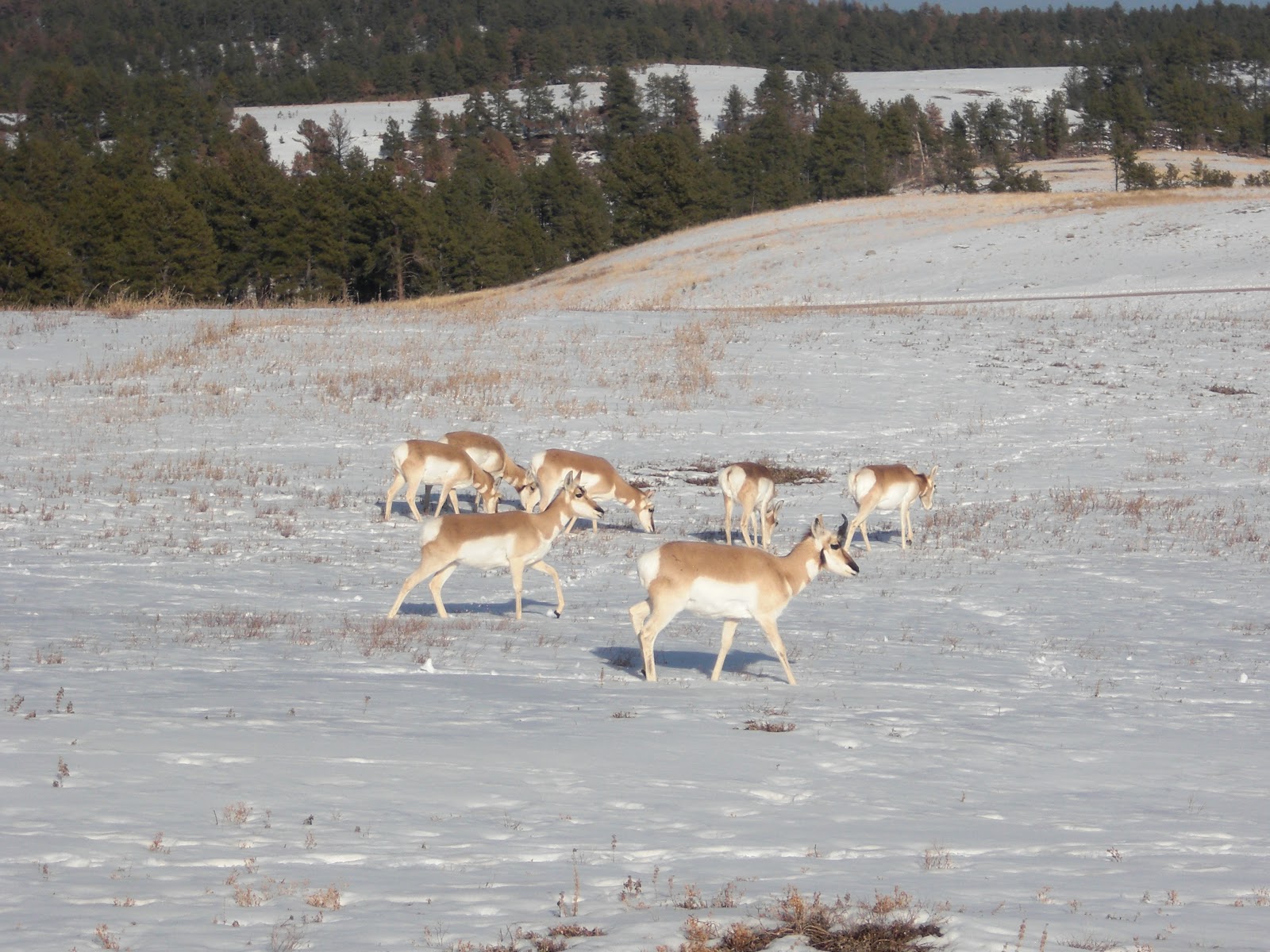
Pronghorn Antelope (Antilocapra americana)

Male and Female Pronghorn Antelope (Antilocapra americana)

Female Pronghorn Antelope (Antilocapra americana)

Pronghorn Antelope (Antilocapra americana)
I saw these pronghorns on January 14, 2011 at about 2:30PM near the entrance to Wind Cave, about 10 miles from Hot Springs, South Dakota. Technically the pronghorn isn't an antelope, and obviously these don't fear cars. Clearly they don't know that the night before I ate pronghorn for the first time. You can read more about the pronghorn here, and more about Wind Cave and it's awesome boxwork here.

Friday, January 7, 2011

Brown-headed Cowbird (Molothrus ater)

Brown-headed Cowbird (Molothrus ater)
Brown-headed Cowbird (Molothrus ater) 
Brown-headed Cowbird (Molothrus ater)
I saw these Brown-headed cowbirds in the Pawnee National Grassland somewhere right next to the Wyoming-Colorado-Nebraska border sometime around Labor Day, 2010.  These birds were just hanging out on the wire fence seen above when I was driving by with my sister.  I made her stop the car so I could take pics, and I didn't even notice the one on the cow's head until after I had already taken some pictures of the scene.  These all look like females.  An interesting thing about these ladybirds is that they lay their eggs in the nests of other birds of different species, and the let these other birds feed their young.  Apparently these birds are up for the parent of the year award.  You can read more about the Pawnee National Grassland here, more about the Brown-headed Cowbird here, and more about brood parasitism here.